

mirror tile sheets
Su Basınç Valfini Ayarlama Su basıncı, bir evin su sisteminin verimli bir şekilde çalışabilmesi için kritik öneme sahiptir. Yüksek ya da düşük su basıncı, hem su tasarrufuna hem de evdeki sıhhi tesisat sistemine zarar verebilir. Bu nedenle, su basınç valfinin doğru bir şekilde ayarlanması oldukça önemlidir. Bu makalede, su basınç valfini nasıl ayarlayabileceğinizi ve bu işlemin neden bu kadar önemli olduğunu ele alacağız. Öncelikle, su basınç valfi nedir? Su basınç valfi, suyun sistem içinde akışını kontrol eden bir bileşendir. Genellikle, suyun belirli bir basınçta tutulmasını sağlamak için kullanılır. Bu valf, suyun ana hattında veya suyun evinize ulaştığı noktada bulunabilir. Doğru ayarlama ile su basıncı stabilize edilir ve sistemdeki aşınma ve yıpranma azaltılır. Su basıncı valfini ayarlamak için öncelikle, mevcut su basıncını öğrenmek önemlidir. Bunun için bir manometre kullanabilirsiniz. Manometre, su basıncını ölçen bir cihazdır ve genellikle evlerimizde bulunmaz, ancak yerel bir yapı malzemeleri mağazasından kolayca temin edilebilir. Manometreyi, su hattına bağlayarak anlık basıncı öğrenebilirsiniz. İdeal ev su basıncı genellikle 40-60 psi (pound per square inch) aralığında olmalıdır. Su Basınç Valfini Ayarlama 1. Valfi Bulun Su basınç valfi genellikle su ana hattında, kombi veya su deposu yakınında yer alır. Yapıyı inceleyerek valfi tespit edin. adjusting water pressure valve 2. Basınç Değeri Gözlemleyin Yukarıda bahsedildiği gibi, manometreyi bağlayarak mevcut basıncı ölçün. Not alın. 3. Valfi Ayarlayın Su basınç valfinin üzerinde genellikle bir ayarlama vidası bulunur. Bu vida, basıncı artırmanıza veya azaltmanıza olanak tanır. Saat yönünde döndürmek basıncı artıracakken, saat yönünün tersine döndürmek basıncı azaltır. 4. Basıncı Tekrar Kontrol Edin Ayarlama yaptıktan sonra, manometreyi tekrar bağlayarak yeni basıncı kontrol edin. Hedeflediğiniz aralığa ulaşana kadar bu işlemleri tekrarlayın. 5. Sızıntıları Kontrol Edin Ayarlama işleminden sonra, su sisteminizde herhangi bir sızıntı olup olmadığını kontrol edin. Gerekiyorsa, su sızıntılarını onarın. Su basınç valfini doğru bir şekilde ayarlamak, su tasarrufu sağlamanın yanı sıra, sıhhi tesisat sisteminizin ömrünü uzatır ve kullanımı daha güvenli hale getirir. Aşırı basınç, boruların ve muslukların zarar görmesine, tıkanmalara ve su israfına yol açabilir. Düşük basınç ise, duş alırken ya da bir musluğu açtığınızda yeterli su akışını sağlayamayabilirsiniz. Sonuç olarak, su basıncı valfi ayarlamak oldukça basit bir işlemdir ancak yapılmadığında ciddi problemlere yol açabilir. Ev sahipleri, su sistemlerini düzenli olarak kontrol etmeli ve gerektiğinde ayarlamalar yapmalıdır. Unutmayın, doğru su basıncı, hem evinizin konforunu artırır hem de su kaynaklarını daha verimli kullanmanıza yardımcı olur.
about
mirror tile sheets
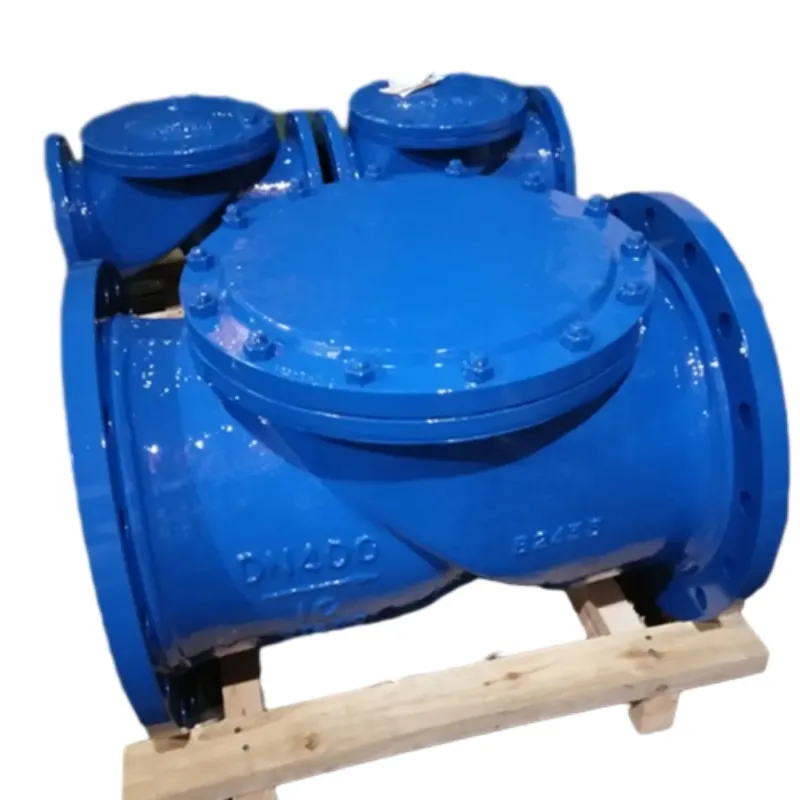
Understanding Valves The Unsung Heroes of Fluid Control Valves are among the most crucial components in a variety of systems, serving as the gatekeepers of fluid dynamics. From household plumbing to industrial machinery, valves play a vital role in controlling the flow of liquids and gases. Often overlooked in discussions about engineering and design, valves are essential for maintaining efficiency, safety, and convenience in countless applications. This article aims to delve into the various types and functions of valves, their importance, and innovations shaping the field. What is a Valve? At its core, a valve is a mechanical device that regulates, directs, or controls the flow of fluids by opening, closing, or partially obstructing pathways. Valves can be found in countless systems, and their design and function can vary widely based on the needs of the application. Some common types include gate valves, globe valves, ball valves, and check valves. Each type serves a specific purpose and is designed to manage flow in a particular manner. Types of Valves and Their Functions 1. Gate Valves These are primarily used for on/off control of flow. When fully open, they allow maximum flow with minimal pressure drop. Conversely, when closed, they completely stop the flow of fluid. However, gate valves are not suitable for throttling, as partially opening them can result in vibrations and erosion. 2. Globe Valves Designed for throttling applications, globe valves provide good flow regulation. Their interior design includes a movable disk, which acts against a stationary ring seat to control flow. Globe valves create more resistance to flow compared to gate valves, making them less effective for applications requiring minimal pressure drop. 3. Ball Valves Known for their durability and reliability, ball valves offer quick opening and closing functions. They contain a hollow, perforated ball that rotates to control flow. When the ball's hole is in line with the flow, the valve is open; when rotated perpendicular to the flow, it is closed . This design allows for low flow resistance and minimal leakage. 4. Check Valves These valves prevent backflow in a system. They operate automatically, relying on the pressure of the fluid to open and close. Check valves are critical in preventing damage to pumps and equipment downstream from a system by ensuring that fluid flows in the correct direction. the valve Importance of Valves in Various Industries Valves play a fundamental role in many industries, impacting efficiency, safety, and environmental protection. In the oil and gas sector, valves regulate the flow of raw materials and products, ensuring safe transportation and processing. In water treatment plants, valves control the flow of water through various filtration and purification stages, essential for providing clean drinking water. The power generation industry also relies on valves to manage steam and water flow in turbines and cooling systems, ensuring optimal performance and safety. Additionally, valves are integral to HVAC systems, where they manage airflow and ensure comfort in residential and commercial buildings. Innovations and Future Trends The valve industry is witnessing significant innovations driven by technology and the demand for efficiency. Smart valves equipped with sensors and IoT (Internet of Things) technology are increasingly being used to monitor flow rates, pressures, and temperatures in real-time, allowing for predictive maintenance and reducing downtime. Moreover, advancements in materials science are leading to the development of valves that can withstand extreme conditions, such as high pressures and corrosive environments. This progress not only enhances the durability and reliability of valves but also contributes to the overall efficiency of various systems. Conclusion While valves may not always be the first subject mentioned in discussions about engineering or infrastructure, their importance cannot be overstated. These devices are essential for controlling fluid flow and are critical to the functioning of numerous industries. As technology continues to evolve, the valve industry is poised for exciting advancements that will enhance efficiency, safety, and sustainability in fluid management. Understanding the role of valves is a vital step in appreciating the complexities of modern engineering and the systems that sustain our everyday lives.
-

High quality industrial productsagement

High quality industrial products
View Details -

Meet the diverse needs of customers

Meet the diverse needs of customers
View Details -

Strict quality control

Strict quality control
View Details -

Top raw materials

Top raw materials
View Details -

Trusted supplier

Trusted supplier
View Details
Our application

news and information

Valvola di cancello a flangia da 6 pollici
Un componente essenziale nei sistemi di gestione dei fluidi industriali è la valvola a saracinesca f
Water Valve Emergency Shutoff Procedure for Residential Systems
water valve shut off .

Water Supply Control Mechanism for Efficient Valve Shutdown and Management
Understanding Water Valve Shut Off Systems In our daily lives, water is an essential resource, servi
 English